

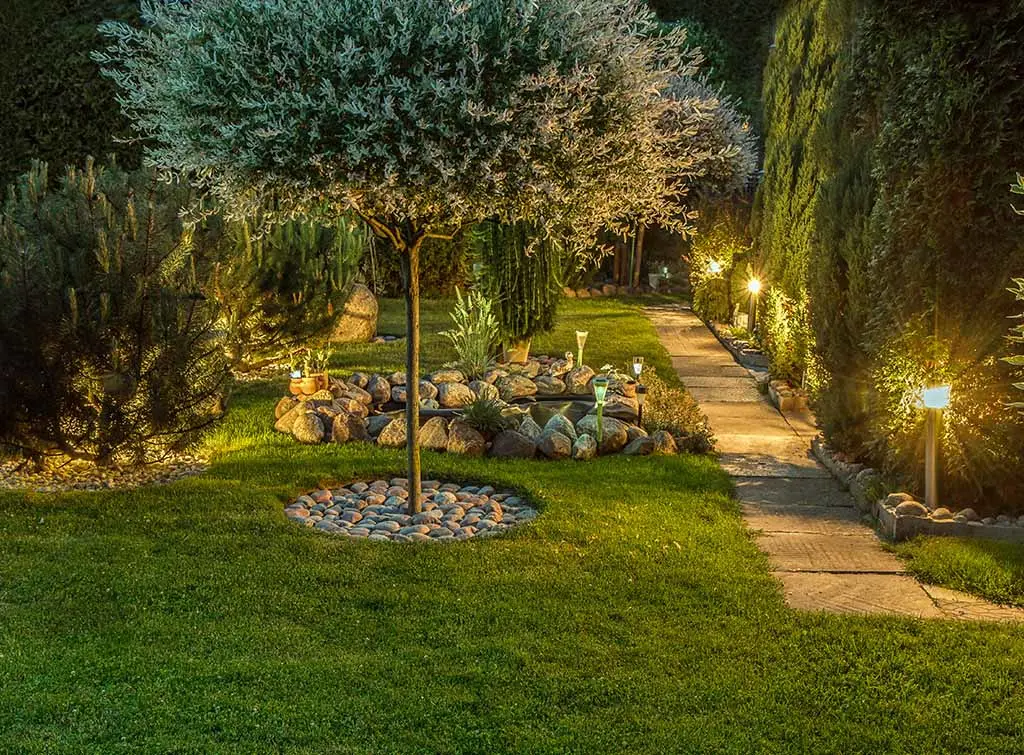
Landscaping is much more than planting a few flowers or trimming hedges. It involves the artistic and practical modification of your outdoor space, impacting both aesthetics and property value. In this article, we’ll explore what landscaping means, how to find the best landscaping services near you, and how to ensure your landscape flourishes for years to come.
Understanding Landscaping and Its Role in Outdoor Spaces
Landscaping is the purposeful modification and enhancement of outdoor environments to improve their function, visual appeal, and harmony with the surrounding area. At its core, landscaping involves a thoughtful blend of science, artistry, and environmental stewardship. It shapes properties by including living features—such as trees, shrubs, flowers, and lawns—that offer texture, color, and seasonal interest. These living elements, or softscapes, interact dynamically with the site, evolving over time and supporting local ecosystems.
Equally integral are abiotic, or non-living, features known as hardscapes. These include elements such as stone pathways, patios, retaining walls, water features, and the overall terrain or topography of the landscape. Hardscapes provide structure, accessibility, and balance, often acting as a canvas upon which the softer elements can flourish.
Aesthetic considerations guide the spatial arrangement and selection of materials, ensuring unity, balance, and visual coherence. This artistic sensibility is combined with horticultural expertise—knowledge of plant biology, growth patterns, and maintenance needs—to create sustainable and thriving outdoor spaces.
Local climate, soil composition, sunlight patterns, and water availability are critical factors influencing landscape choices. For example, xeriscaping in arid regions employs drought-resistant plants and efficient irrigation, while temperate areas may favor lush lawns and vibrant flower beds. The use of native plants not only promotes sustainability but also preserves regional character and attracts beneficial pollinators.
Landscaping is an expression of cultural and regional identity; it reflects local traditions, materials, and aesthetic values. In some communities, formal hedges and geometric shapes predominate, while others favor naturalistic plantings or water-wise gardens. The result is an outdoor space that both complements its environment and enhances the unique personality of the property.
The Value of Professional Landscaping Services
Professional landscaping services provide far more than just routine yard work; they deliver a comprehensive approach that blends creativity, technical knowledge, and efficiency to make the most out of your outdoor space. By partnering with experts, homeowners gain access to advanced design skills that turn vague ideas into detailed, actionable plans tailored for their property’s unique layout, soil composition, sunlight patterns, and drainage requirements. Skilled landscapers are adept at selecting plant species suited not only to your aesthetic vision but also to local environmental conditions, ensuring your landscape thrives with minimal intervention.
Beyond plant selection, professional teams excel at structural enhancements such as patio installation, retaining walls, pathways, and irrigation systems. These features require a precise understanding of grading and materials, reserving such jobs for those with experience to prevent long-term problems like erosion or water pooling. Certified professionals conduct thorough site assessments before starting, noting challenges such as existing slopes or drainage issues, and recommend solutions aligned with best industry practices.
Typical landscaping services often include comprehensive garden design, which incorporates multi-season color, proper spacing for growth, and sustainable practices. Drainage solutions are another critical service, as improper water management can undermine even the most carefully planned landscapes. Installations of patios or decks are completed with careful attention to materials and local building codes, while ongoing maintenance services—ranging from pruning, mulching, and fertilizing, to seasonal cleanups—keep the landscape healthy and attractive year-round.
Professional landscapers work efficiently, leveraging project management skills, industry tools, and established networks for sourcing quality materials. This all-in-one service approach, rooted in industry standards, ensures a cohesive and enduring transformation of your property that goes far beyond what DIY efforts can typically achieve. By trusting in local specialists, you invest in both the immediate beauty and long-term health of your outdoor spaces.
Finding the Best Landscaping Services Near Me
When beginning your search for “landscaping near me,” prioritize finding companies with strong ties to your local area. Start by examining online reviews, but look beyond star ratings—read detailed client testimonials on reliable platforms and pay attention to repeated comments about communication, reliability, and problem-solving. Comparing multiple portfolios is crucial; asking prospective landscapers for before-and-after photos or case studies that mirror your property’s features can reveal their experience with similar homes and landscapes.
Interview potential landscaping services—during consultations, assess their ability to answer specific questions about your yard’s needs, microclimates, and soil types. Don’t hesitate to request details about their team’s credentials. Formal certifications from industry organizations suggest a commitment to high standards and ongoing education.
Insurance is a non-negotiable factor. Confirm that the company holds comprehensive liability and worker’s compensation coverage; this protects you in case of property damage or accidents. Additionally, local expertise can’t be overstated. Companies familiar with your region’s climate, rainfall patterns, and native plants are equipped to recommend lasting, climate-appropriate solutions.
Sustainability practices should also factor into your evaluation. Ask if they use eco-friendly products, practice water-efficient irrigation, or select plants well-suited to the local habitat. Landscapers who emphasize sustainable approaches not only benefit the environment but can save you money on water, fertilizer, and future maintenance.
Selecting a team well-versed in the intricacies of your community’s flora and environmental considerations means your design will thrive year-round. Local knowledge ensures planned landscapes don’t just look beautiful at installation but endure, growing stronger over time with less intervention—paving the way for a landscape that’s both vibrant and resilient.
Designing and Maintaining a Sustainable Landscape
Working closely with local landscapers allows homeowners to create beautiful outdoor spaces that value both aesthetics and environmental stewardship. Engaging landscape professionals early in the design process ensures your landscape plan incorporates sustainable principles from the outset. A key element is prioritizing native plants, which are adapted to the local climate and soil conditions, thus requiring less water and fewer chemicals than exotic varieties. This enhances biodiversity and attracts local pollinators like bees and butterflies, contributing to a healthier ecosystem.
Sustainable materials further minimize environmental impact. Work with your landscaping service to select responsibly sourced wood, recycled composite products, and locally sourced stone for paths, retaining walls, and decks. These choices reduce your project’s carbon footprint and promote long-term durability. Water-wise gardening is also essential. Landscapers can install efficient drip irrigation systems, rainwater harvesting barrels, and design grading for optimal water retention. Mulching with organic materials conserves moisture and suppresses weeds, reducing the need for frequent watering and chemical herbicides.
Eco-friendly maintenance is an ongoing commitment. Local landscapers can develop an integrated care schedule that includes composting plant debris, using slow-release or organic fertilizers, and opting for electric or manual garden tools that reduce emissions and noise pollution. Routine maintenance tasks—such as pruning, weeding, monitoring for pests, and seasonal soil amendment—sustain plant health and vigor, preventing landscape decline.
Integrated property care also allows landscaping professionals to anticipate and address problems before they escalate, preserving the cohesive beauty and value of your outdoor space. Regular upkeep ensures that your sustainable landscape not only thrives but continues to provide aesthetic, environmental, and financial benefits for years. By aligning design and maintenance with sustainable practices, you protect your investment while also nurturing your surroundings—setting the stage for further property value enhancement.
Enhancing Property Value and Curb Appeal Through Landscaping
Professional landscaping offers much more than aesthetic pleasure; it serves as a powerful tool for increasing both curb appeal and property value. Skilled landscapers understand how an inviting, thoughtfully designed outdoor space can immediately capture the interest of buyers or visitors, often forming a positive first impression that significantly influences opinions about a property. When landscaping near you is executed with precision, the integration of healthy turf, vibrant planting beds, and clean hardscape lines conveys care and boosts perceived value.
Effective strategies for outdoor design start with establishing functional zones: spaces for relaxation, socializing, or play that are seamlessly connected by pathways, patios, or low walls. Layered planting schemes using a diverse but harmonious selection of trees, shrubs, and perennials add complexity and year-round visual interest, making the landscape feel lush and dynamic without overwhelming the viewer. Well-placed lighting extends usability into the evening, while water features and fire pits supply multisensory appeal. Local landscaping services bring insights into which features resonate most within your particular market—such as outdoor kitchens in family neighborhoods or low-maintenance, drought-tolerant gardens in water-conscious regions.
Buyers are especially drawn to features that indicate low future maintenance costs, such as mulched beds, automatic irrigation, and robust edging. Neat lawn lines, mature shade trees, and strategic privacy screening can also tip a buying decision in your favor. Importantly, market studies consistently demonstrate that properties with high-quality, cohesive landscaping sell more quickly and command noticeably higher prices.
The relationship between well-maintained landscapes and real estate value is dynamic; landscapes that look cared-for signal to buyers that a property is loved, suggesting less likelihood of hidden issues inside as well. In competitive markets, a beautifully landscaped front yard is not only an investment in daily enjoyment but a critical advantage when it comes time to sell.
Conclusions
Thoughtful landscaping, supported by skilled local services, transforms outdoor spaces into beautiful and functional environments. By understanding landscaping’s many aspects, from design to maintenance, and choosing qualified professionals, you’ll boost curb appeal, increase property value, and create lasting enjoyment. Invest in quality landscaping to make your property truly stand out for years to come.