

Landscaping plays a vital role in shaping the beauty, functionality, and value of our home and community spaces. Whether you’re searching for landscaping near me, exploring available landscaping services, or looking to improve your existing landscape, understanding the essentials of landscape design, planning, and maintenance is crucial. This article explores how to achieve a thriving, attractive outdoor environment.
Understanding the Foundations of Landscaping
Landscaping is the thoughtful practice of altering and enhancing the visible aspects of a piece of land using a blend of natural and man-made elements. At its core, landscaping is about shaping outdoor spaces to achieve a balance between beauty, functionality, and harmony with the surrounding environment. This transformation can incorporate living elements such as trees, shrubs, flowers, and even the habitats of local wildlife, providing both aesthetic appeal and ecological benefits. Alongside these living components, landscaping often utilizes natural, non-living (abiotic) features like rocks, soil, bodies of water, and varying landforms, along with abstract factors such as lighting and weather conditions.
Human-made elements also play a pivotal role in landscaping. Constructed features can range from patios, walkways, retaining walls, decks, fountains, and pergolas to more technologically advanced aspects like outdoor lighting or irrigation systems. These additions not only add visual interest and structure but also serve practical purposes, improving the overall utility of the outdoor space.
The discipline of landscaping is closely related to landscape design, which integrates both artistic vision and technical expertise. A successful landscape project requires creative consideration—for example, selecting color palettes or framing focal points with plants—but also demands attention to practicalities like soil health, drainage, and appropriate plant selection for the local climate. The relationship between functionality and beauty is central: effective landscaping not only enhances curb appeal but supports everyday activities and encourages environmental stewardship.
Through detailed planning, professional landscaping services near you can help craft spaces that feel cohesive and intentional. By merging the science of horticulture and ecology with design elements, landscaping transforms outdoor areas into tailored sanctuaries that reflect both individual and community values, setting the stage for the unique qualities that define each landscape.
What Makes a Landscape Unique
What makes a landscape truly unique lies in its intricate blend of physical and cultural elements. At its core, the topography—or natural lay of the land—sets the stage for every landscape. Rolling hills, flat plains, rugged cliffs, and meandering rivers each offer a different canvas for both natural ecosystems and human creativity. Climate further fine-tunes this canvas, dictating not only the rainfall and temperature but also shaping what can thrive. The desert Southwest’s arid landscape, lush subtropical gardens of the Southeast, or the hardy conifers of northern regions all reflect the climatic essence of their locales.
Vegetation, both native and introduced, adds another critical layer. The types of trees, shrubs, and flowers thriving in an area form the visible heart of any landscape, influencing colors, textures, and seasonal moods. The choice of plantings often depends on what is locally adapted, ensuring resilience and sustainable beauty.
Human influence weaves these natural factors together with roads, fences, garden beds, sculptures, and outdoor living spaces. Yet, beyond these physical modifications, the deeper force of local culture, tradition, and history plays a vital role. Distinctive stonework echoing centuries-old techniques, or community gardens rooted in shared heritage, infuse emotion and identity into outdoor spaces. Such features often become points of pride, reflecting stories and values unique to that place.
When considering landscaping near you, appreciating this interplay of elements is essential. Local designers and landscaping services are intimately familiar with these unique qualities. They draw inspiration from the surrounding environment, historic landmarks, and community traditions, ensuring that each project feels authentic and harmonizes with its setting. Ultimately, it is this sensitive blending of geography, ecology, and culture that gives every landscape its individuality and emotional resonance.
The Role of Landscaping Services
Professional landscaping services play a pivotal role in transforming local outdoor environments into functional and aesthetically pleasing spaces. Their expertise extends far beyond simple lawn mowing or planting; these specialists provide a spectrum of offerings that can dramatically enhance both the appearance and utility of any landscape.
The first phase often begins with *design and planning*, where landscapers collaborate with property owners to envision the ideal layout. Here, they consider existing site conditions, such as *soil quality*, *grade*, and *natural drainage patterns*. Addressing these elements early ensures the landscape is both sustainable and low-maintenance. Through site assessment, professionals tackle challenges—say, converting a slope into manageable terraces, or remedying poor drainage that might otherwise lead to waterlogged gardens and unhealthy plants.
*Installation* services comprise hardscaping, such as building patios, retaining walls, walkways, and outdoor living features, alongside softscaping, which includes planting trees, shrubs, perennials, and turf. Expert landscapers choose plant species suited to local climates and micro-environments, optimizing longevity and reducing water needs. Their mastery of plant placement improves both visual harmony and ecological health, attracting pollinators and supporting biodiversity.
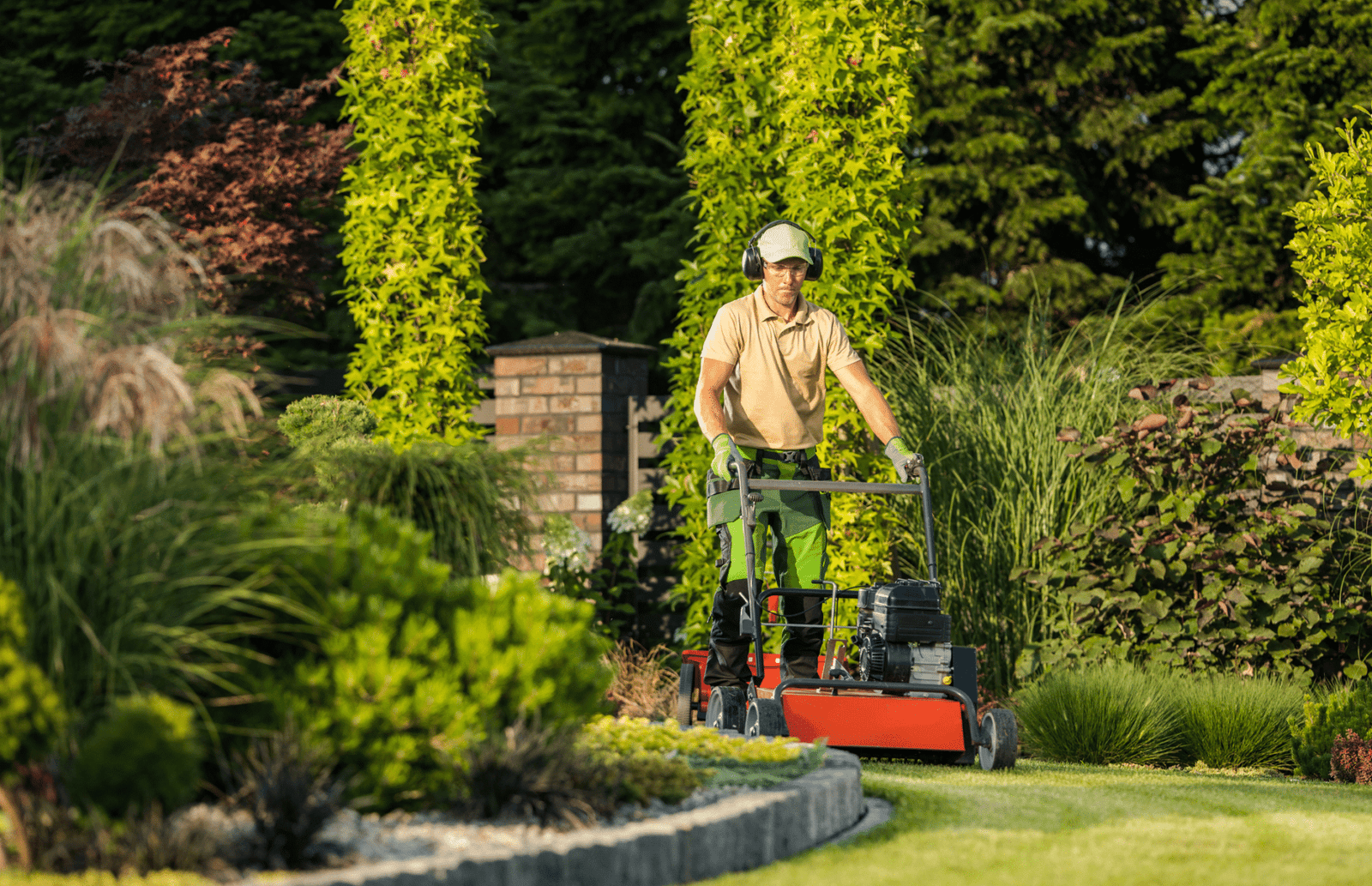
Ongoing *landscape maintenance* is another key service, involving pruning, mowing, fertilizing, and seasonal clean-ups. Skilled teams anticipate plant growth and implement strategies to prevent disease while maintaining a tidy, thriving appearance.
A vital component is the integration of *sustainable practices*. Landscapers employ efficient irrigation systems, soil amendment techniques, and eco-friendly materials, aligning their methods with modern environmental standards. For commercial and residential clients alike, these tailored services address practical requirements—like accessibility and safety—alongside visual appeal.
By enlisting professional landscaping services, property owners ensure their outdoor investments are resilient, purposeful, and uniquely attuned to the site’s potential and challenges, setting the stage for long-term enjoyment and value.
How to Choose the Right Landscaper Near You
When seeking out landscaping professionals in your area, it’s vital to approach the selection process thoughtfully to ensure the best fit for your site and vision. Begin by researching local landscapers with strong reputations, not just online ratings but also through community recommendations. Look closely at a landscaper’s *qualifications*—certifications, professional memberships, and evidence of ongoing education indicate both skill and commitment to industry standards.
*Experience* in similar projects, especially in your climate and with your specific landscape features, is essential. Ask to review a *portfolio* of completed work; this gives you a sense of the provider’s creativity, versatility, and familiarity with local horticulture. Request *references* and do not hesitate to contact past clients. Inquire whether the company delivered on promises, communicated clearly, and maintained professionalism throughout the project.
An often-overlooked but critical factor is the landscaper’s *understanding of local conditions*. Does the team demonstrate expertise relating to your region’s soil types, drainage issues, native foliage, and seasonal weather patterns? This local insight can greatly affect the sustainability and ongoing health of your landscape.
Prepare a shortlist and organize in-person consultations. Use this opportunity to gauge how the landscaper listens to your goals, offers tailored suggestions, and addresses your site’s unique challenges. Compare not only pricing, but also service details, warranty terms, and included maintenance follow-ups.
Communication is paramount. Ensure the landscaper provides *clear timelines, a detailed contract*, and a plan for handling unforeseen issues. Only move forward if you feel confident in their responsiveness and transparency. By carefully evaluating these aspects, you’ll be well-prepared to choose a landscaping partner capable of bringing your outdoor space to life—and supporting its lasting beauty and function for seasons to come.
Maintaining and Evolving Your Landscape Over Time
Maintaining a thriving landscape is more than just a matter of aesthetics; it’s an ongoing process that ensures the health, longevity, and evolving beauty of your outdoor space. After choosing the right professional landscaper, regular and attentive maintenance becomes essential in safeguarding your investment and enjoying a vibrant landscape year after year.
Consistent plant care forms the backbone of effective landscape maintenance. This involves scheduled pruning, fertilization, and pest management tailored to the specific varieties present in your garden. Proper pruning encourages healthy growth and flowering, while targeted fertilization supports robust foliage and root development. Integrated pest management focuses on sustainable methods to control pests without harming beneficial organisms or the environment.
Lawn health and irrigation go hand in hand. A well-maintained lawn requires routine mowing, aeration, and overseeding to stay lush and green. Proper irrigation system management is crucial; a professionally set-up system ensures that every plant receives adequate moisture without water wastage or runoff—key for both plant vitality and water conservation. Seasonal irrigation adjustments, such as winterizing systems or switching to drought-resistant settings during dry months, further protect your landscape.
Improving soil health contributes directly to landscape resilience. Routine soil testing and amendment—incorporating organic matter or nutrients as needed—foster optimal growth conditions, supporting everything from ground covers to mature trees.
Updating your landscape seasonally keeps it attractive and functional. Planting seasonal flowers, swapping out tired vegetation, and refreshing mulch beds can provide year-round color and interest. Professional maintenance services shine here, offering an integrated, proactive approach that anticipates problems such as disease, nutrient deficiencies, or overgrowth before they become costly issues. Their expertise allows for seamless transitions between seasons and long-term planning for growth or renovation.
Ultimately, the care and evolution of your landscape through professional services ensure your outdoor space remains a place of enjoyment, healthy ecology, and increasing value for years to come.
Conclusions
In summary, landscaping transforms outdoor spaces, blending natural beauty and practical design for homes and communities. By understanding the unique features of each site and choosing skilled professionals, you can achieve customized solutions that enhance functionality and curb appeal. Consistent maintenance and expert care ensure your landscape thrives, offering lasting value and enjoyment for all who experience it.