

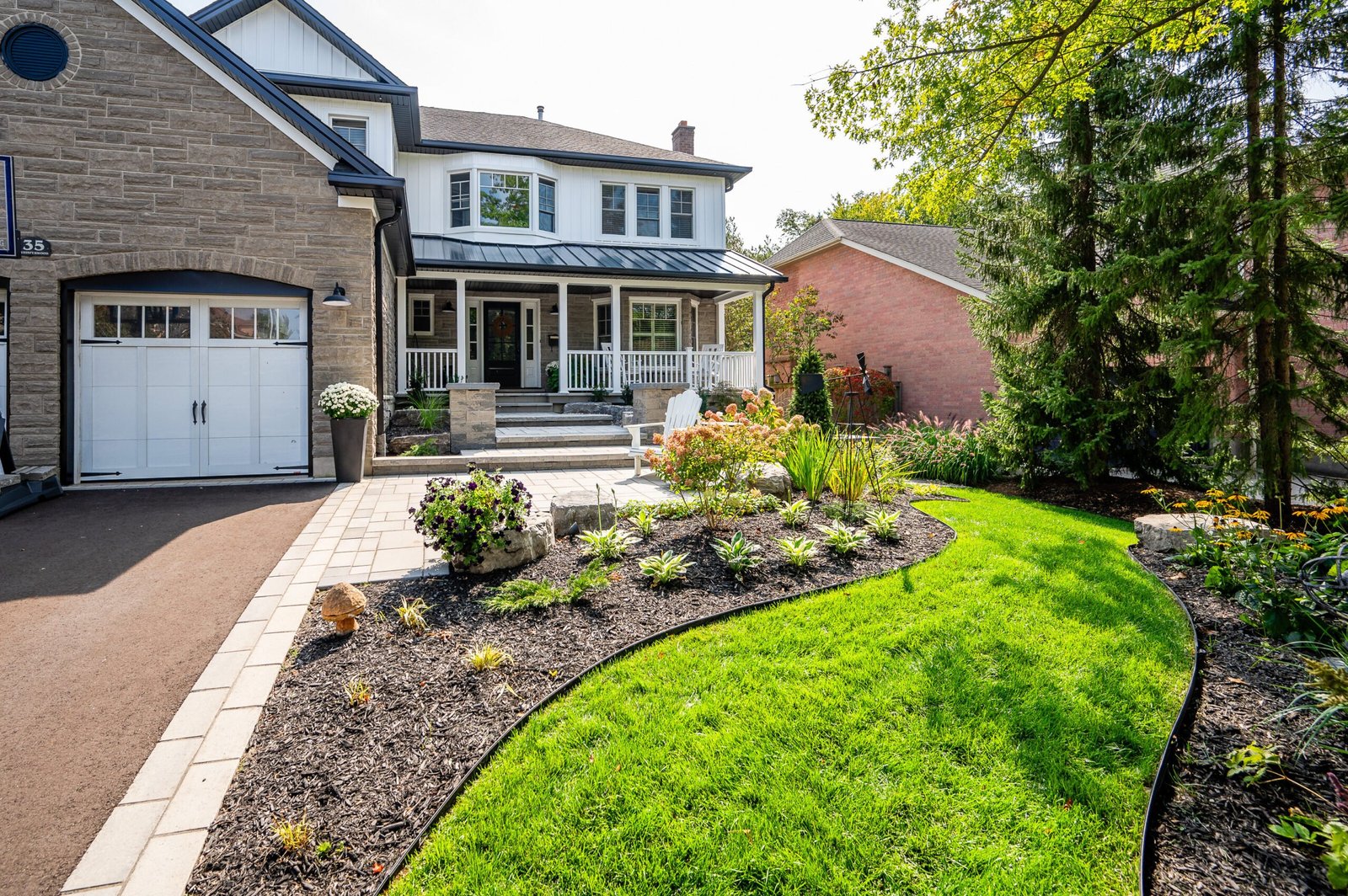
Landscaping is more than arranging plants—it’s the art and science of enhancing your outdoor environment, blending beauty, function, and local expertise. Whether you’re seeking professional landscaping services, searching for “landscaping near me,” or planning a do-it-yourself makeover, understanding the essentials of landscape design can elevate your property and boost curb appeal. Explore how landscaping transforms ordinary spaces into extraordinary environments.
The Foundations of Landscaping
Landscaping is more than simply arranging plants or adding decorative features to your yard; it is the thoughtful transformation of outdoor spaces to reflect both function and beauty. At its core, landscaping involves modifying the visible aspects of land, weaving together living elements such as trees, shrubs, flowers, and even the animals attracted to those spaces. It also incorporates natural elements—like landforms, water features, and rocks—as well as abstract factors, including weather conditions and strategic lighting that can dramatically shift the mood and usability of an area.
The practice of landscaping has ancient roots: from the meticulously designed Persian gardens and the geometrically precise landscapes of Renaissance Europe to the Zen gardens of Japan, civilizations have shaped their surroundings to express meaning, culture, and values. As urban environments have grown denser and the desire for nature’s touch increases, landscaping has evolved into a sophisticated field encompassing art, horticulture, architecture, and environmental science.
Historically, landscapes served as symbols of wealth, power, or spiritual reflection; today, the art of landscaping increasingly considers sustainability and ecological balance. Modern landscape architecture strives to create functional, resilient outdoor spaces that support biodiversity, manage water resources responsibly, and offer restorative environments for people.
Crucial to the success of any landscaping project is a deep understanding of the surrounding environment. Local climate, soil composition, native species, and existing ecological networks all play pivotal roles in shaping choices and ensuring lasting results. Ignoring these factors can lead to landscapes that struggle to thrive or demand excessive maintenance. By integrating local knowledge into the planning process, homeowners and professionals unlock the true potential of their spaces—creating unique, sustainable landscapes that flourish within their surroundings and contribute to the health of the broader community.
Understanding Your Local Landscape
Understanding your local landscape begins with a thorough site analysis—a step too often overlooked but absolutely vital for creating a landscape that thrives long-term. Every piece of land is unique, shaped by climate, soil conditions, sunlight, and native ecosystems. Ignoring these factors can lead to landscapes that struggle, require excessive maintenance, or quickly fall victim to pests and diseases.
Site analysis starts with climate. The averages and extremes of temperature, rainfall, and humidity in your region determine which plants will flourish outdoors. Soil quality is equally critical; the soil’s pH, texture, drainage level, and nutrient content dictate plant selection and necessary amendments. Sun exposure must be mapped on every section of your property, as even a few hours’ difference can mean the distinction between thriving perennials and stunted seedlings.
Native plants, adapted to local conditions, often require less water and maintenance. They are more resilient to native pests and diseases, making them an environmentally friendly and cost-effective choice. Not only do they sustain the local wildlife, but they also blend effortlessly with the surrounding landscape, creating harmony rather than competition.
The land’s topography—the slopes, hills, and low spots—affects everything from how water moves across your property to the ease of creating usable spaces. Understanding drainage patterns and prevailing winds helps prevent issues like erosion and plant stress. For example, windbreaks can be strategically planted to protect fragile plants, while grading can improve both aesthetics and stormwater management.
Researching local flora and fauna expands your palette and sets realistic expectations. Consulting with local professionals or landscaping services leverages their knowledge of regional challenges and solutions, whether it’s navigating municipal rules or maximizing your site’s natural assets. Their expertise ensures the design and construction phase starts with a solid understanding of both visible and invisible factors, setting your landscape up for lasting success.
Types of Landscaping Services Available Near You
From the moment you begin exploring landscaping services near you, a vast array of options becomes apparent, each tailored to address your unique outdoor needs. Garden design is often at the foundation, where professionals help envision layouts, choose aesthetically pleasing plant combinations, and ensure harmony with local conditions. Lawn care services offer everything from seeding and aeration to regular mowing and fertilization, essential for keeping your green spaces lush and healthy. For those seeking structural beauty, hardscaping encompasses the installation of patios, walkways, retaining walls, and decorative stone features that expand functional space and enhance visual interest.
Irrigation solutions are invaluable, especially in climates prone to drought or inconsistent rainfall, with services providing both new installations and regular system maintenance. Maintenance packages can include routine pruning, weeding, mulch application, and pest control—ensuring your landscape not only looks spectacular but stays resilient through the seasons.
While some homeowners thrive on DIY landscaping, crafting beds, edging lawns, or building simple paths themselves, this approach demands time, careful research, and a willingness to problem-solve during setbacks. The main advantages include cost savings and personal satisfaction. However, professional landscapers bring design expertise, specialized tools, and access to a broader palette of materials and plants. They can manage complex grading, advanced irrigation, and deliver cohesive, long-lasting results with warranty-backed workmanship.
When selecting a service provider, investigate their credentials—certifications, insurance, and affiliations with landscape industry bodies. Prioritize companies with demonstrated sustainable practices, such as water-wise planting and eco-friendly materials. Scan online reviews to assess reliability and customer satisfaction, and request portfolios or references for a glimpse at previous work. An ideal landscaping partner communicates transparently and demonstrates a nuanced understanding of your regional landscape.
Principles of Effective Landscape Design
A truly remarkable landscape begins with a solid understanding of the foundational principles of effective design, ensuring every element in your outdoor space works together in harmony. *Unity* is the guiding thread—selecting plants, materials, and colors that feel consistent and cohesive throughout your property. Achieve unity by repeating certain textures, shapes, or hues in both hardscape and softscape elements, tying together patios, walkways, and garden beds with shared design features.
*Balance* adds visual stability. There are two primary approaches: symmetrical balance, where both sides of a space mirror each other for formality, and asymmetrical balance, which uses different objects of equal visual weight for a relaxed, natural look. Choose the one that best fits your home’s architecture and your personal aesthetic.
Consider *proportion* by ensuring that the size of paths, patios, plantings, and decorative features relate sensibly to both your house and yard. Oversized statuary or tiny flower beds can feel out of place; striking the right scale will make your landscape feel comfortable and inviting.
Every outdoor space benefits from thoughtfully chosen *focal points*. This could be a specimen tree, water feature, or a well-placed sculpture. A focal point guides the eye and adds interest, but be careful not to overwhelm—less is often more.
Blending hardscape and softscape is key to function and beauty. Design patios and walkways to invite movement, while integrating lush beds and lawns to soften edges and provide year-round appeal. When possible, choose sustainable options: local stone or recycled materials for paving, and select native plants that require less water and withstand local pests.
Prioritize efficient irrigation, mulching, and rain gardens to embrace water conservation. Smart planning ensures your landscape isn’t just beautiful today but remains healthy, functional, and eco-friendly for years to come.
Maintaining and Evolving Your Landscape
Properly maintaining your landscape is essential to preserving its beauty and functionality over time. Regular care keeps your yard vibrant, healthy, and inviting throughout the changing seasons. Start by developing a consistent routine that addresses the unique needs of your plant selections and lawn. For lawns, regular mowing at the appropriate height, consistent watering (preferably early in the morning), and aeration prevent compaction and promote lush growth. Tailor fertilization based on soil tests to ensure nutrients are balanced for your grass species; too much or too little can derail the health of both turf and garden beds.
Shrubs, trees, and perennial gardens require careful seasonal attention. Prune shrubs and trees after flowering or during dormancy to control size, encourage healthy new growth, and prevent disease. Remove spent blooms from perennials to encourage continuous flowering. Apply mulch to retain moisture, regulate soil temperature, and suppress weeds—refresh mulch layers every spring.
Pest and disease management is another vital aspect. Monitor for early signs of trouble and use integrated pest management strategies that combine manual, biological, and, if necessary, chemical controls. Healthy, well-maintained plants are less susceptible to infestations.
Landscapes are not static; over the years, plants mature, weather patterns shift, and your needs or tastes may evolve. Periodically reassess your space—maybe a shade tree is now too large, or garden beds lack visual interest. Redesign might entail updating pathways, installing a new focal point, or transitioning to drought-tolerant species as climates change.
Some homeowners prefer hands-on DIY maintenance, while others enlist local landscaping professionals for seasonal or regular upkeep. Professional landscapers bring expertise and can handle tasks from aeration and fertilization to complex redesigns or pest management. Investing in ongoing maintenance not only enhances curb appeal and enjoyment but also protects your property value for years to come.
Conclusions
In summary, successful landscaping merges artistry, science, and a deep understanding of local conditions. By choosing the right landscaping services and embracing thoughtful design, you can create a vibrant, sustainable outdoor space that enhances your lifestyle and property value. Remember, with proper planning and care, your landscape will continue to grow and evolve beautifully over the years.