

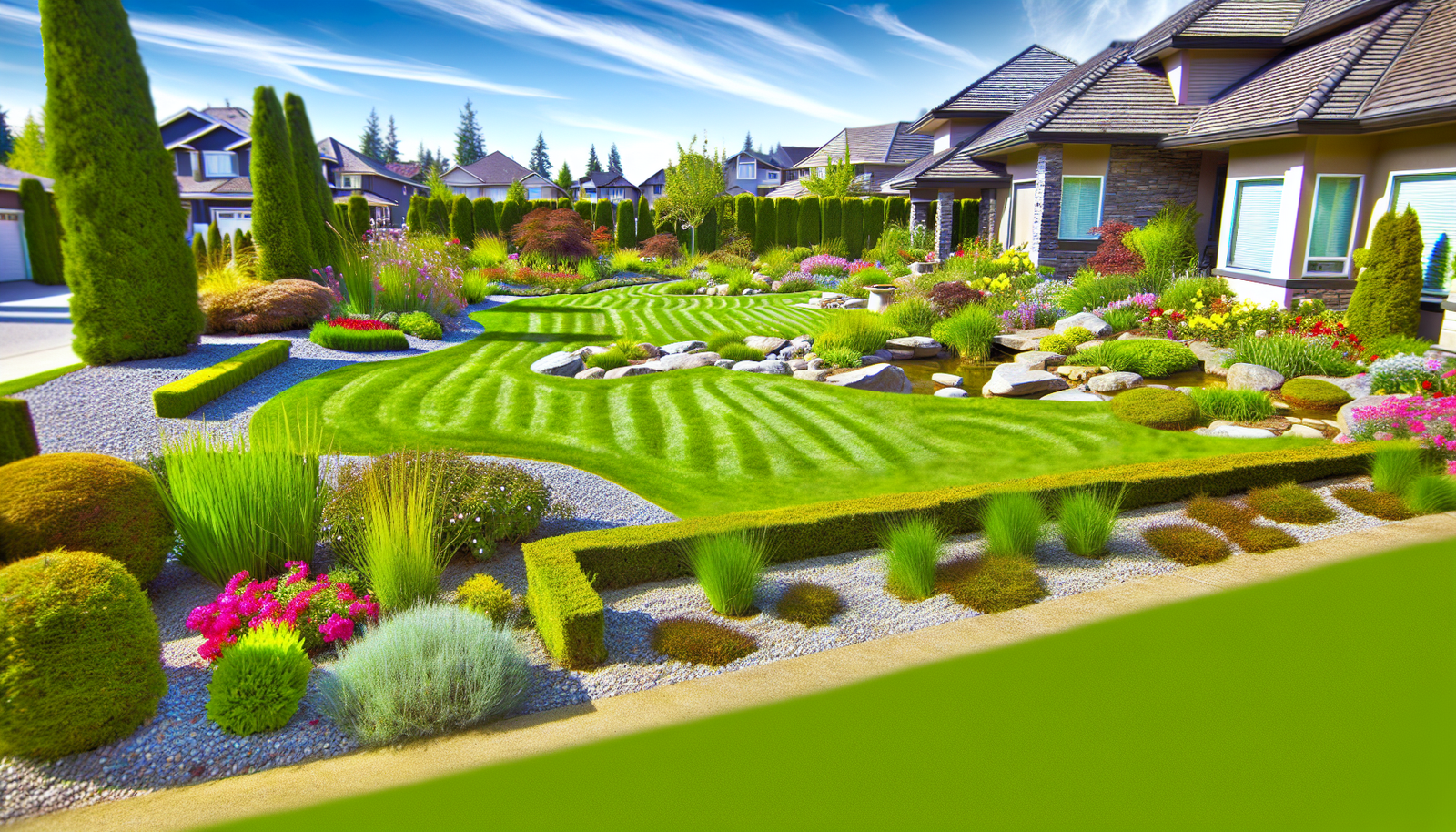
Landscaping is more than just enhancing your garden—it’s about shaping the very space you live in, improving functionality, sustainability, and aesthetic appeal. From choosing the best landscape design to finding reliable landscaping services near you, this article explores the essential aspects to help you reimagine and care for your outdoor environment.
Understanding Landscaping and Its Importance
Landscaping is much more than simply arranging plants or mowing a lawn; it is the intentional transformation of outdoor spaces through a combination of art, environmental awareness, and practical planning. At its artistic core, landscaping brings together design principles—like scale, color, texture, and unity—to craft outdoor areas that are visually appealing and harmoniously connected with their surroundings. It is the subtle interplay of vibrant flower beds, majestic trees, and expertly trimmed bushes that provides the first impression and enduring charm of any property.
Beyond aesthetics, landscaping holds significant environmental dimensions. Living features such as plants, shrubs, and trees help absorb carbon dioxide, provide oxygen, reduce soil erosion, and support local wildlife. Natural abiotic elements—terrain, rocks, water features—are thoughtfully integrated to support drainage, microclimates, and native ecology. A well-landscaped yard might use rain gardens to manage stormwater, or employ drought-resistant native plants to minimize water usage, exemplifying sustainability in action.
Practical modifications, tailored for human use and enjoyment, are equally vital. Pathways, patios, retaining walls, and outdoor lighting make the space usable year-round and encourage safe, accessible movement. Strategic placement of hedges or fencing can enhance privacy and security. For example, a local home might incorporate a shaded seating area under a pergola by a small pond, creating a tranquil retreat, while a community park could design walking trails bordered with pollinator-friendly plants, promoting both recreation and biodiversity.
Thoughtful landscaping yields tangible benefits: it elevates daily well-being by providing peaceful, restorative spaces and opportunities to connect with nature. Property values often rise when landscapes are well-kept and inviting. Community green spaces foster social bonds, and sustainable landscaping practices improve air quality, reduce heat islands, and combat flooding—underlining the profound importance landscaping holds in shaping healthier, happier environments.
Exploring Different Types of Landscape Design
Modern landscape design encompasses a rich palette of styles and approaches, each suited to different needs and settings. Residential landscaping focuses on creating comfortable, private spaces that reflect homeowners’ personalities and lifestyles. It may incorporate cozy patios, play areas, or edible gardens. In contrast, commercial landscapes emphasize aesthetics, brand enhancement, and utility—think well-maintained entryways or relaxing courtyards that complement a business’s identity. Public landscaping is designed for broad community use, prioritizing accessibility, safety, and durability in parks, plazas, and streetscapes.
A central concept in landscape design is the interplay between hardscape and softscape elements. Hardscape refers to non-living features—paths, retaining walls, decks, and patios—that provide structure, direction, and usable space. Softscape covers the living aspects: trees, shrubs, groundcovers, and lawns that lend color, texture, and seasonal interest. Effective designs find balance between these elements to achieve both function and beauty.
Core design principles include balance (even distribution of visual weight), symmetry (mirror-image arrangements for formality), and harmony (unity among elements). Local versus exotic plants is another key consideration. Using native species can support local ecology and minimize maintenance, while exotic species might offer unique colors or forms but could require more care and resources.
To select a style that reflects your taste and suits your climate, consider both your property’s characteristics and your lifestyle. A minimalist modern garden with sleek lines may be ideal for easy maintenance, while a lush, cottage-style garden creates a relaxed, abundant feel. Factor in sunlight, soil type, and water availability to make choices that last. Design decisions profoundly affect how you use your space—for example, wide paths and open lawns encourage gatherings, while winding trails and secluded nooks create retreats. Ultimately, thoughtful landscape design ensures that visual appeal aligns seamlessly with how you want to live outdoors.
How Landscaping Services Work and What to Expect
When you hire a professional landscaping service near you, the process typically starts with an initial consultation and site assessment. During this first meeting, landscapers listen to your goals—whether you want a lush backyard retreat, a functional patio, or low-maintenance gardens. They’ll walk your property, take measurements, observe sunlight patterns, and assess existing soil quality to understand the site’s opportunities and constraints.
After evaluation, a landscape designer or architect develops conceptual plans based on your preferences and the site’s unique conditions. Expect sketches or digital renderings that detail plant selections, hardscape placement, and potential features like water elements or lighting. This collaborative stage is crucial for aligning your vision with what’s feasible in your space and climate.
Cost estimation follows, outlining materials, labor, and a projected timeline. Transparency is key here; a reputable service will break down expenses, offer options at different budget levels, and explain any permits or regulations involved.
Next, the implementation phase begins. Contractors and installation teams—sometimes the same company as the designer, sometimes separate—handle everything from preparing the ground, laying sod, building retaining walls, installing irrigation systems, and planting trees and shrubs. Throughout, expect clear communication and periodic progress updates.
Maintenance crews may be part of the package, providing ongoing care such as mowing, pruning, fertilization, and seasonal cleanups. Many providers offer specialized services: garden installation, turf management, pest and disease control, or eco-friendly upgrades like water-wise irrigation or native plantings.
To ensure the best outcome, research providers thoroughly. Look for licensed and insured professionals with a proven track record, relevant certifications, and positive local reviews. A qualified team will draw on both technical know-how and creative problem-solving to deliver lasting results customized to your needs and environment.
Benefits of Hiring Local Landscaping Services
Choosing a local landscaping service brings unique advantages that extend far beyond simple convenience. Local experts possess an in-depth understanding of the regional climate and soil conditions, allowing them to select plants and materials that thrive naturally in your area. Their familiarity with native species not only enhances the sustainability of your garden but often reduces the need for intensive maintenance or excessive water usage. Moreover, local landscapers are well-versed in area-specific regulations and permitting requirements, ensuring your outdoor improvements comply fully with municipal codes and neighborhood guidelines.
When it comes to design, locals know what works—from hardscape choices that withstand regional weather patterns to color palettes that reflect the natural beauty of your surroundings. Many can draw on previous projects completed in your community, offering references or testimonials so you have confidence in their expertise. For instance, several homeowners in a nearby suburb shared how their local landscaper transformed a bland yard into a pollinator haven using only drought-resistant natives suited to the local soil—something a national company might overlook.
Another significant benefit is responsiveness. When unpredictable weather threatens your landscape or urgent repairs are needed, nearby professionals can react swiftly, providing faster solutions than distant providers. Ongoing maintenance is also much easier to arrange, whether it’s seasonal planting rotations or regular lawn care. Local companies often build personal relationships with clients, delivering custom plans that reflect your property, style, and long-term goals.
Lastly, local landscaping services often reinvest in their communities, supporting other area businesses and employing local talent. By opting for a nearby expert, you aren’t just improving your outdoor space; you’re contributing to the vitality of the local economy while ensuring your landscape is uniquely suited to its Southern, coastal, or suburban setting.
Sustaining and Enhancing Your Landscape Over Time
To keep your outdoor space thriving long after installation, consistent care and adaptability are crucial. Regular maintenance both preserves your investment and helps your landscape mature beautifully over the years. Start with the essentials: mowing, pruning, and weeding. Maintaining the right grass height prevents diseases and keeps the lawn looking healthy. Prune trees and shrubs thoughtfully, focusing on removing dead or crossing branches to maintain aesthetic shape and encourage new growth. Routine weeding prevents invasive species from outcompeting your chosen plants. Feeding your landscape with the correct type and amount of fertilizer—matching the needs of your soil type and selected plant species—ensures vigorous, resilient growth.
Water management is another key to sustaining landscape health, especially as seasons change. Adjust your irrigation systems to deliver water efficiently, focusing on deep, less-frequent watering to stimulate healthy root systems. Many homeowners now choose smart water management systems, such as weather-responsive controllers or drip irrigation, to reduce waste and adapt to real-time conditions.
Pest and disease control should be handled holistically. Integrated Pest Management (IPM) is a sustainable approach that prioritizes preventative measures—like encouraging beneficial insects and only using targeted treatments when necessary. This minimizes chemical use while protecting plant and soil health.
Adapting your landscape over time means evaluating how your outdoor spaces meet evolving needs, whether your family grows, your tastes change, or climate shifts impact plant performance. Swap out high-maintenance species for hardy natives, add pollinator-friendly plants, or create shaded seating areas for comfort. Eco-friendly landscaping trends, such as using drought-tolerant plants or mulching to retain soil moisture and suppress weeds, not only reduce resource use but create habitats for local wildlife. By staying current with these practices and innovations, your landscape will continue to flourish for years to come.
Conclusions
Landscaping combines art, science, and local expertise to shape spaces that are both beautiful and functional. By understanding the process, design options, and the value of local services, you can make informed choices that add enjoyment, value, and sustainability to your home or business landscape—creating outdoor spaces you’ll love for years to come.